Introduction: Automation is rapidly transforming industries worldwide, and the civil engineering and building development sectors are no exception. With technological advancements reshaping the way construction projects are planned, designed, and executed, automation is becoming a crucial driver for enhancing efficiency, reducing costs, improving safety, and ensuring sustainability. In this blog, we’ll explore the specific areas where automation is making waves in the civil engineering and building development sectors and how these changes are revolutionizing the industry.
1. Automation in Civil Engineering: Key Areas of Transformation
Site Surveying and Mapping: Drones and LiDAR Technology

Site surveying, an essential part of any construction project, traditionally required extensive manual work. However, automation is making the process faster and more accurate. Drones (Unmanned Aerial Vehicles or UAVs) are now commonly used to map large construction sites quickly. Drones equipped with high-resolution cameras and GPS can capture aerial imagery and generate 3D models of the landscape.
Another groundbreaking technology is LiDAR (Light Detection and Ranging), which uses lasers to create precise 3D maps of the terrain. LiDAR scans are incredibly accurate and can be used to generate topographic models, detect environmental changes, and monitor site progress, all with minimal human intervention. These technologies save time, reduce human error, and provide comprehensive data for better decision-making during the planning phase.
Design and Planning with BIM (Building Information Modeling)
One of the most significant innovations in construction design is Building Information Modeling (BIM). BIM is a digital tool that allows architects, engineers, and construction managers to create detailed 3D models of buildings before construction begins. With BIM, every element of a building, from plumbing to electrical systems, can be digitally mapped out.

Automation in BIM integrates various construction processes, such as material estimation, scheduling, and cost analysis. This integration ensures that all stakeholders are working from the same updated information, making the project more efficient and less prone to errors. Automated systems also allow for “clash detection,” where potential issues in the design, such as conflicting electrical and plumbing systems, are flagged before construction begins.
Robotics in Construction
The use of robotics in construction is revolutionizing repetitive tasks and improving the quality of work. For example, robotic systems capable of bricklaying, like the “Hadrian X” robot, can lay thousands of bricks per hour with precision and speed, far surpassing human capabilities. These robots can work continuously, reducing the need for human labor and improving efficiency.
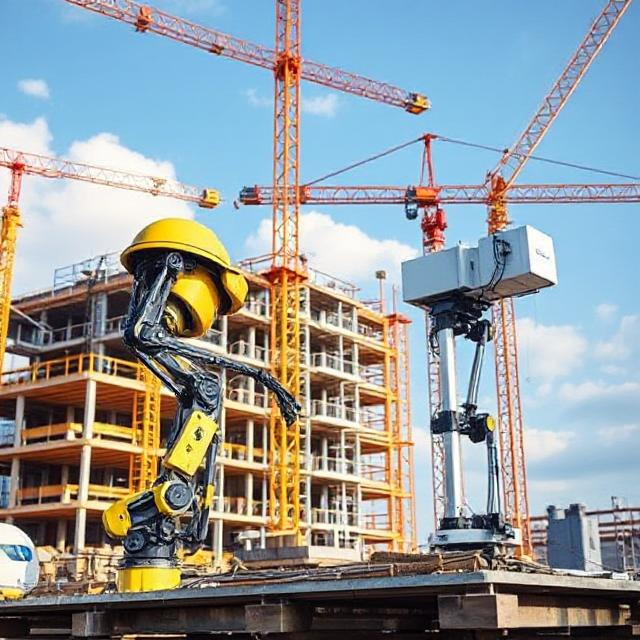
Similarly, 3D concrete printing is a growing trend where robotic arms and automated systems are used to print entire structures or their components layer by layer. This technology can produce buildings in less time and with less waste, making it both cost-effective and environmentally friendly.
Autonomous Construction Vehicles
Self-driving vehicles and machinery are making construction sites safer and more efficient. Autonomous vehicles like bulldozers, excavators, and dump trucks can work autonomously, eliminating human error and reducing risks. These machines are guided by GPS, sensors, and artificial intelligence, allowing them to navigate construction sites with minimal human intervention.

One of the key advantages of autonomous construction vehicles is their ability to operate 24/7 without the need for breaks, increasing productivity and reducing construction time.
Structural Health Monitoring Using Smart Sensors
One of the most exciting developments in civil engineering is the use of smart sensors embedded in buildings and infrastructure. These sensors monitor structural health by tracking parameters like temperature, pressure, vibration, and stress. Automated data collection from these sensors helps engineers assess the condition of a building in real-time.

For example, sensors placed in bridges, tunnels, or dams can send alerts to engineers if any part of the structure shows signs of distress or potential failure. This proactive approach to maintenance reduces the risk of catastrophic failures and can extend the lifespan of infrastructure, saving time and money on repairs.
2. Automation in Building Development: Enhancing Efficiency and Sustainability
Prefabrication and Modular Construction
One of the most significant trends in building development is the rise of modular construction and prefabrication. Automation plays a crucial role in these processes, where building components are manufactured in controlled factory settings and then assembled on-site.
Automated systems are used to prefabricate walls, floors, windows, and other building elements with precision. These components are then transported to the construction site, where they are quickly and efficiently assembled. This approach reduces construction time, minimizes waste, and allows for better quality control.
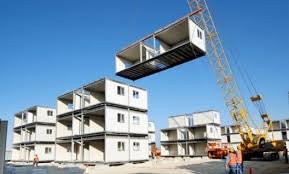
Modular construction takes this one step further by creating entire sections of buildings, which are then transported and assembled on-site. Automated machinery and robotic arms are increasingly used in the factory to ensure components are manufactured with high precision. By combining off-site fabrication with on-site assembly, the entire process becomes faster, safer, and more cost-effective.
Smart Construction Material Management
Automation is also playing a significant role in managing construction materials. Smart systems help track the usage of materials, automate ordering processes, and optimize material delivery schedules. This prevents over-ordering, under-ordering, and waste, ensuring that the right materials are available when needed.
Automated material handling systems, including robots and conveyor belts, move materials around construction sites efficiently, reducing labor costs and improving productivity. Drones can even be used to perform inventory checks and track material consumption, reducing human intervention.
Robotic Inspection and Maintenance
Robots equipped with cameras and sensors are being used for routine inspections and maintenance tasks in buildings. Drones can be deployed to inspect high-rise buildings or bridges, collecting data on their condition without putting human inspectors at risk. Robots can also be used to clean and maintain building surfaces, windows, or HVAC systems, reducing maintenance costs and increasing efficiency.
In terms of construction site safety, automated drones and robots can identify potential hazards like unstable scaffolding or exposed electrical wiring, helping to mitigate risks before they cause accidents.
Energy-Efficient and Sustainable Design
As sustainability becomes an increasingly important focus in construction, automation is helping the industry design and build energy-efficient buildings. AI-driven tools can simulate energy consumption patterns and optimize building layouts to reduce energy use, carbon emissions, and operating costs.
Automated systems also play a role in energy-efficient building management. Smart systems within buildings can control lighting, heating, cooling, and ventilation based on real-time data. For example, AI can adjust HVAC systems to minimize energy usage while maintaining occupant comfort, improving both energy efficiency and sustainability.
Automation in Project Management
Project management itself is benefiting from automation. AI-powered project management tools can handle scheduling, resource allocation, cost tracking, and risk management. These tools can assess real-time data from construction sites to adjust schedules and make decisions that improve project outcomes.
Automated systems can identify bottlenecks in the construction process and make proactive suggestions to keep projects on track. With the use of real-time tracking systems and data analytics, construction managers can make more informed decisions and avoid delays.
Conclusion: The Future of Automation in Civil Engineering and Building Development
Automation is driving a paradigm shift in the civil engineering and building development sectors. From autonomous vehicles to 3D printing and AI-powered project management, automation is helping construction projects become more efficient, cost-effective, safe, and sustainable. As technology continues to evolve, we can expect even more innovations that will further transform the way we design, build, and maintain structures.
The challenges of integrating these technologies—such as initial investment costs, workforce training, and regulatory changes—are being addressed gradually. The future of construction is undoubtedly automated, and embracing this change will allow the industry to stay ahead of the curve, improve project delivery, and meet the growing demands for sustainability and efficiency in building development.
As these technologies become more refined, automated systems will become an integral part of the construction process, driving the future of civil engineering and building development toward smarter, safer, and more efficient practices.